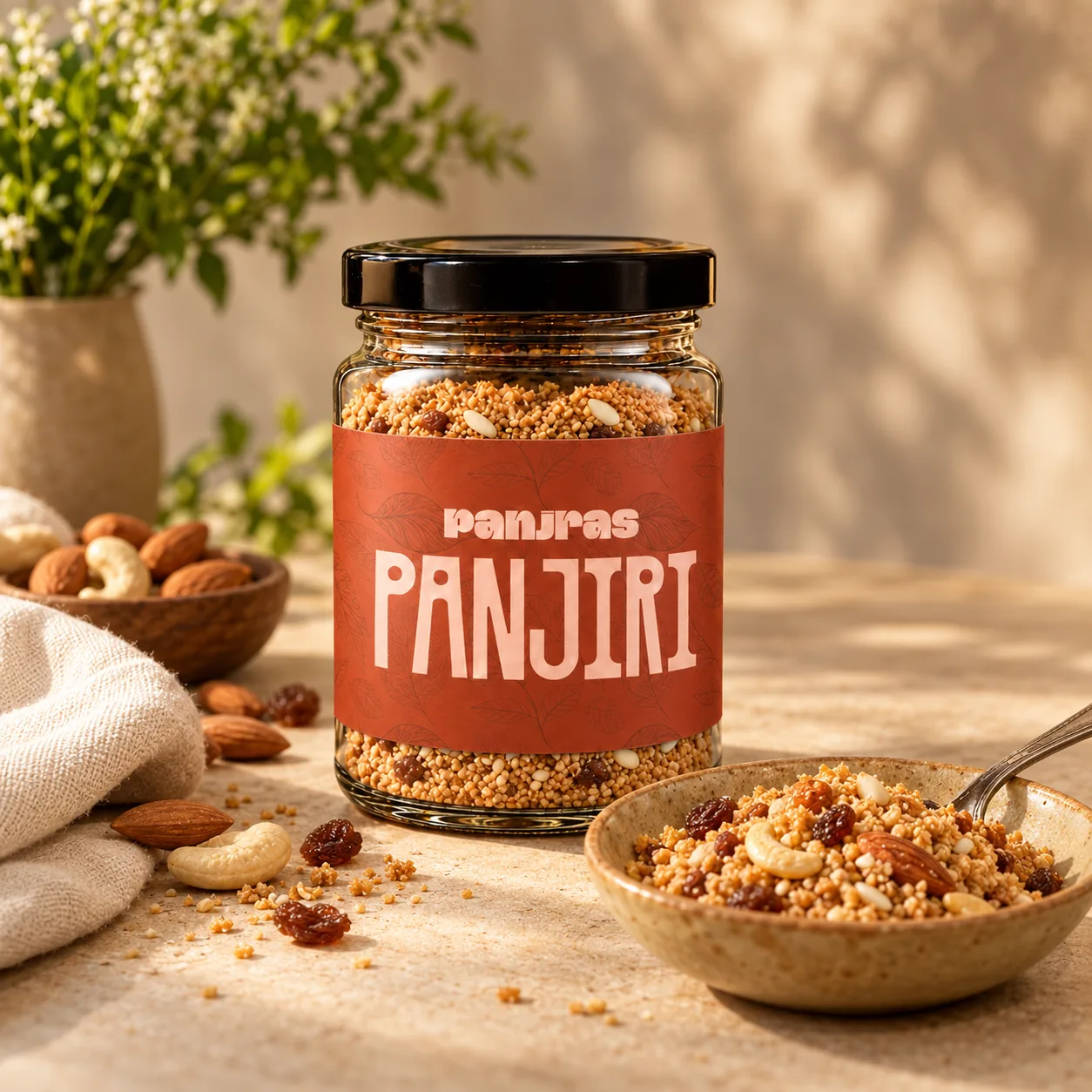
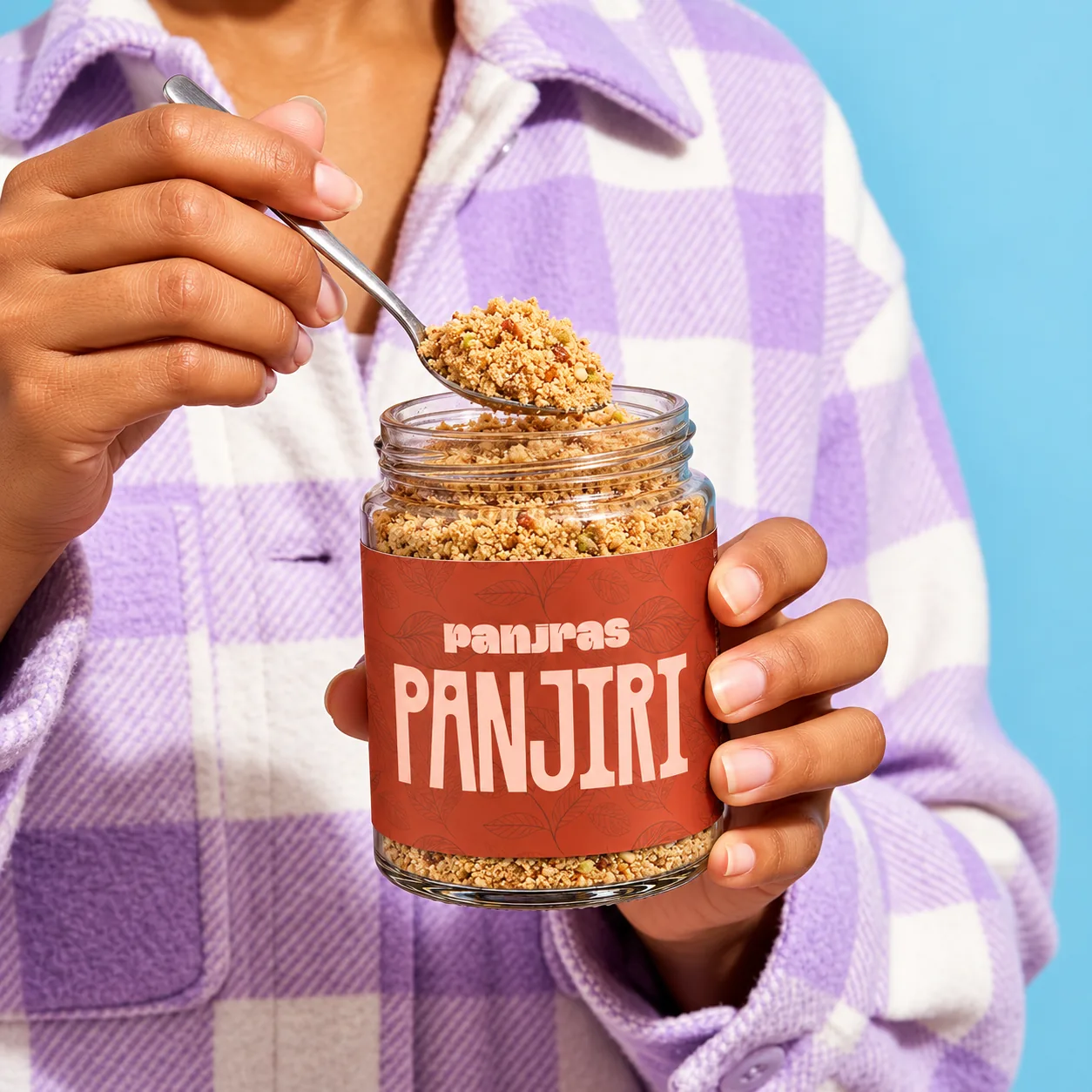
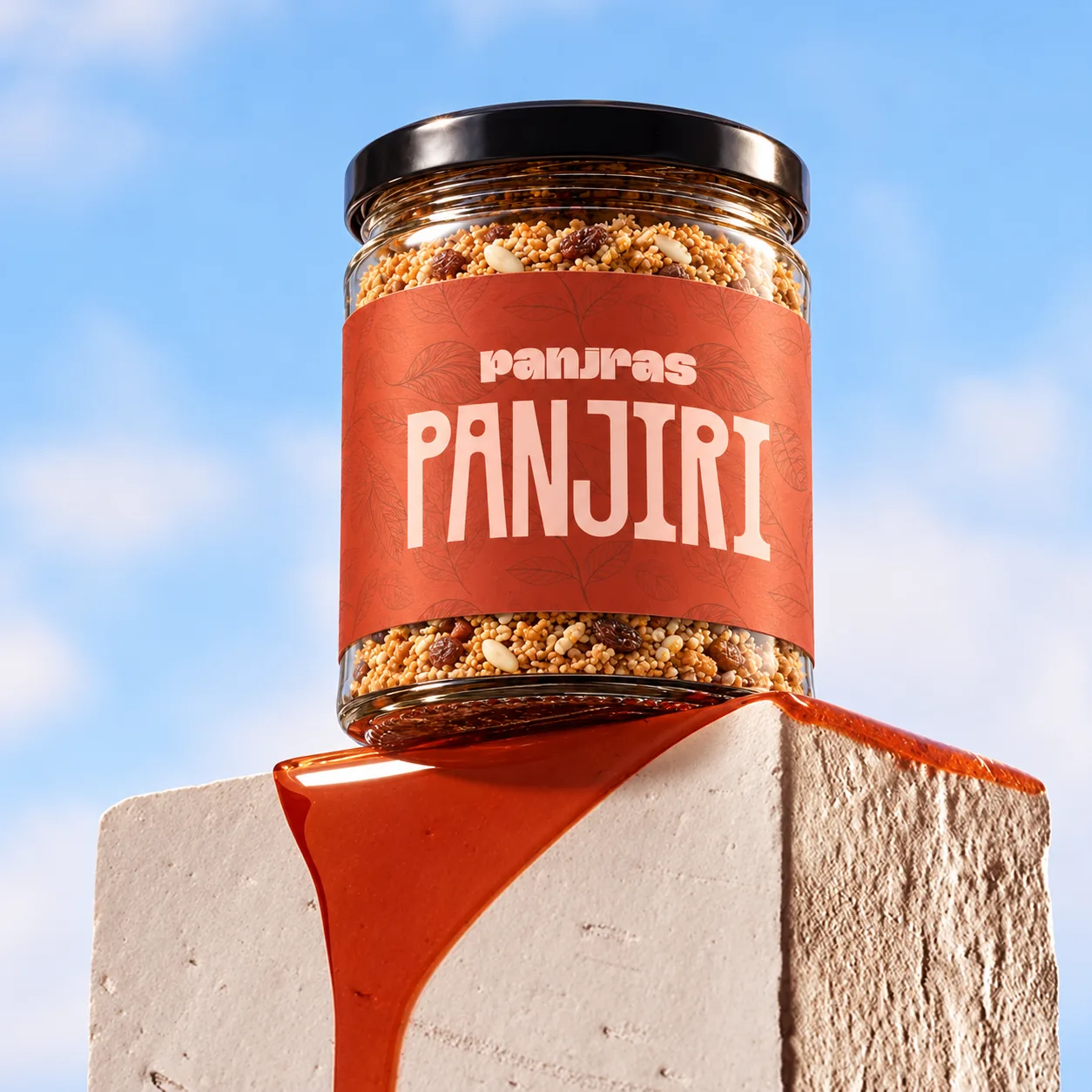
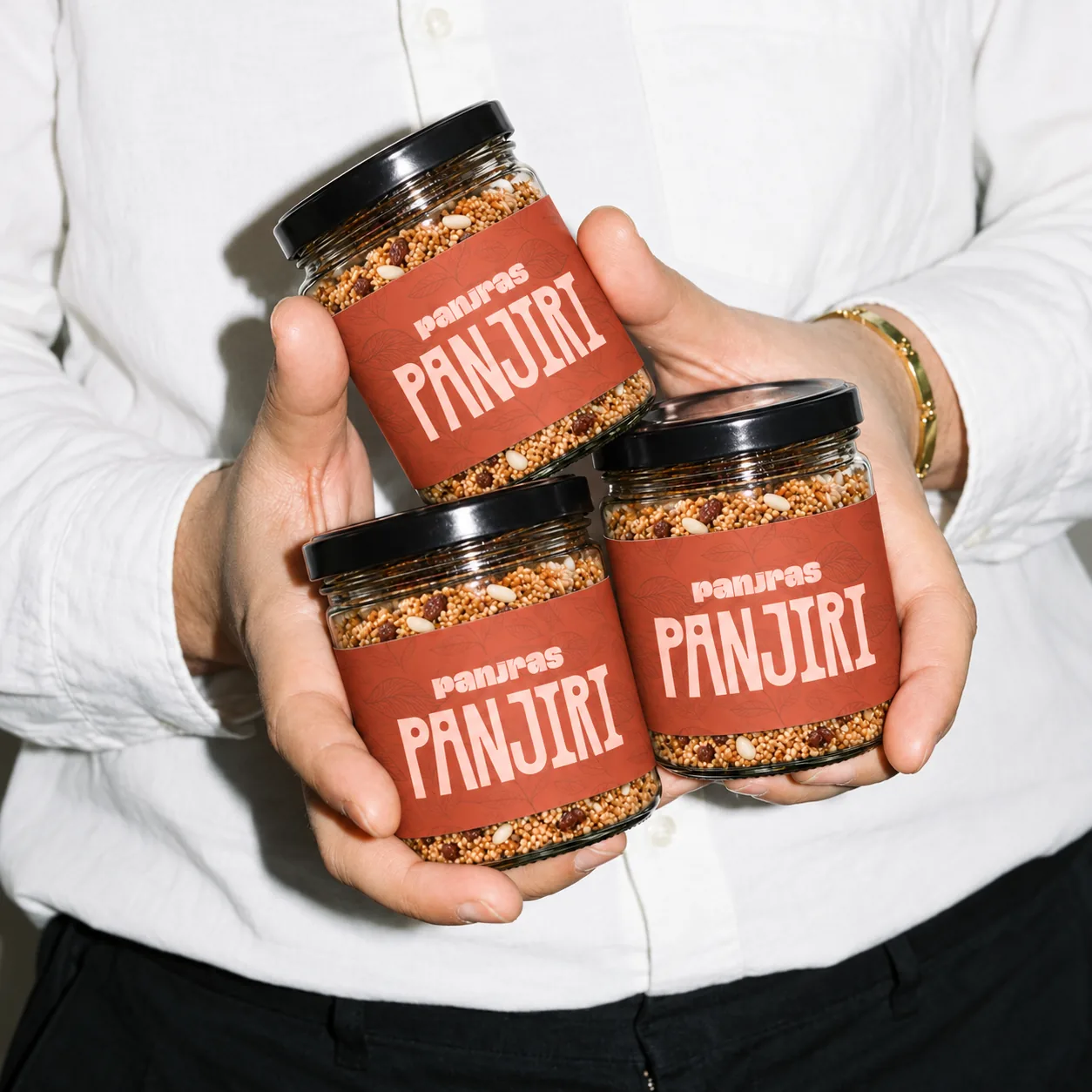
Traditional Panjiri
07 — The one that started everything
Before there were ladoos, there was a jar of Panjiri made for a friend.
During COVID, when new mothers found themselves thousands of kilometres away from parents who would normally have been there to care for them, Tanu began making something she knew from home.
Panjiri.
In Northern India, Panjiri has long been part of the postpartum confinement tradition, prepared with grains, nuts, ghee, spices and other ingredients for new mothers during recovery.
Tanu had eaten it herself.
But when she began making it for her friends, she wondered whether a recipe with generations of wisdom behind it could be thoughtfully adapted for the way we eat today.
So she started experimenting.
Less sugar. Wholemeal wheat. More almond flour. Makhana. Walnuts and almonds. Edible gum. Raisins. Fenugreek. Ginger. White pepper. Jaggery. Organic cow ghee.
Some ingredients are roasted separately. Some gently. Some for longer.
Nothing is hurried.
A batch of PanjRas Panjiri can take three to five hours to make.
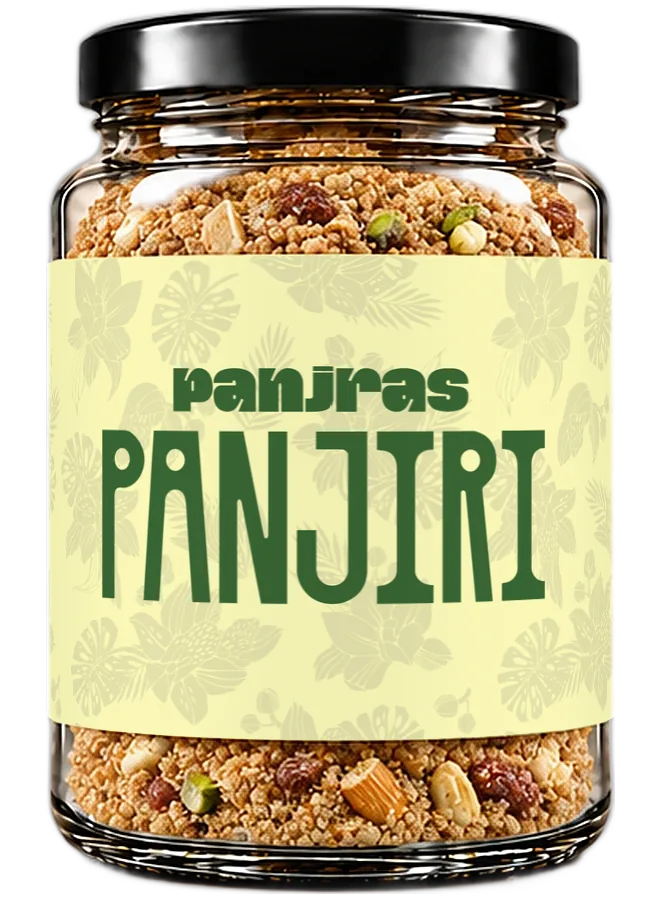
The result is a golden, nutty crumble carrying something rather difficult to put in a jar: the feeling that someone thought about you while making it.
What’s inside
Wholemeal flour (wheat), sooji (wheat semolina), almond flour, makhana (fox nuts), walnuts, almonds, edible gum, fenugreek, ginger, white pepper, golden raisins, jaggery, brown sugar, organic cow ghee (milk) and other carefully selected ingredients.
Allergens shown in orange. Everything is made in one kitchen that uses wheat, milk (ghee), peanuts, sesame and tree nuts.
Made for new mothers. Discovered by everyone else.
Panjiri may have brought us here through postpartum tradition, but that’s not where its story has to end.
Tanu began seeing the same simple idea differently.
Why wait until the body is recovering to give it thoughtful nourishment?
So PanjRas Panjiri became something for more moments and more people.
For a growing child.
For a grandparent.
For a busy morning.
For an afternoon when your energy disappears before your to-do list does.
Or simply for the pleasure of opening the jar and taking another spoonful.
Three to five hours in the making.
A few minutes in your bowl.
Generations behind the idea.
And one friend asking Tanu to make some Panjiri.
Sometimes that’s all it takes to start something.
- 3–5 hours to prepare
- Handmade
- Small batch
- No added preservatives
A spoonful or two with warm milk in the morning. Keep it closed in the fridge, use a dry spoon and eat it within a month. If you are pregnant, nursing or managing a health condition, check your diet with your doctor.
Recipe from Punjab
About a month in the fridge