our story
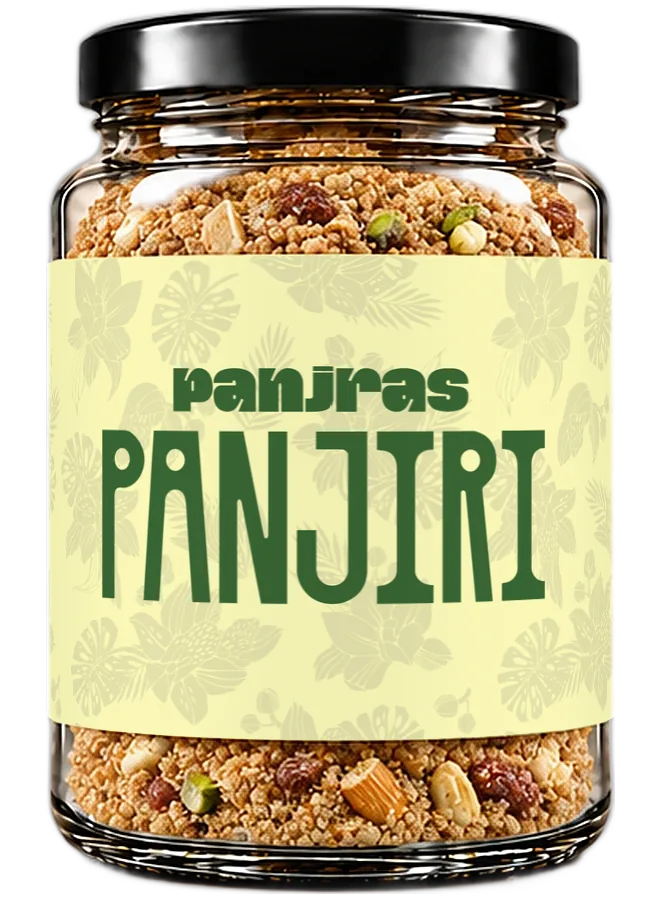
a jar of panjiri made for a friend
It started with a few friends who needed looking after.
During COVID, some of Tanu’s friends in Singapore became new mothers. Their parents were thousands of kilometres away in India, unable to travel. And with them went many of the little traditions of care that usually arrive with family after a baby is born.
One of those traditions was Panjiri.
Growing up in North India, Tanu knew it well. Panjiri has long been prepared during the postpartum confinement period, a rich mixture of grains, nuts, ghee, spices and other traditional ingredients made to nourish new mothers during recovery.
So when her friends asked, Tanu started making it for them.
But she didn’t simply recreate the Panjiri she remembered.
She began asking what it could become.
Keep the wisdom. Rethink the recipe.
Tanu reduced the sugar.
She chose wholemeal wheat. Added more almond flour and makhana. Carefully incorporated ingredients traditionally valued in Indian kitchens such as nuts, raisins, white pepper, fenugreek and ginger.
Each ingredient was treated differently.
Some needed gentle roasting. Others needed more time. Nuts were freshly ground. Everything was slowly prepared in organic cow ghee before finally coming together.
One batch could take three to five hours.
It was still Panjiri. Just Tanu’s Panjiri.
And it was made for friends at a time when a little care from home meant rather a lot.
Then came another thought.
Why should this kind of food only be made after childbirth?
The ingredients hadn’t suddenly become less nourishing because someone wasn’t a new mother.
Growing children need good food.
Parents and grandparents need it.
Busy adults need it.
People finding their strength again need it.
And sometimes you simply want something sweet without reaching for something full of ingredients you don’t recognise.
That question took Tanu beyond Panjiri.
She began experimenting with traditional ladoos, adapting recipes with the same philosophy: carefully chosen ingredients, less reliance on refined sugar, nuts, seeds, grains, organic cow ghee and ingredients that generations of Indian kitchens had already understood.
Different recipes. Different ingredients. The same thought behind them.
And that became PanjRas.
Panj means five.
Ras means essence.
The name draws inspiration from the Pancha Mahabhutas, the five elements described in Indian philosophical traditions: earth, water, fire, air and space.
For us, it represents something even simpler.
A return to food made with purpose.
Not chasing the latest superfood.
Not turning something traditional into something fashionable simply for the sake of it.
Taking what generations before us understood about nourishment, keeping what still makes sense, thoughtfully adapting what can be better, and making it relevant to the way we live today.
What began as a jar of Panjiri made for a friend became something we wanted to share with many more.
panjras
Ancient nourishment for modern life.